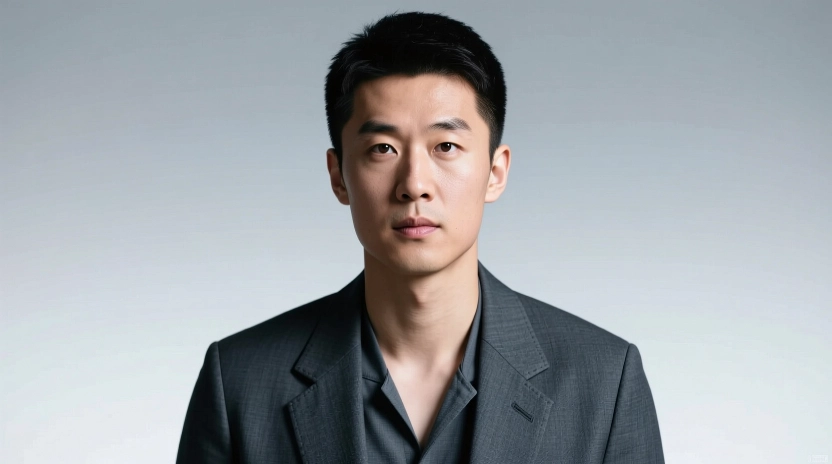
近日, former Olympic champion and table tennis legend Zhang Jike has been embroiled in a major public controversy involving alleged private video leaks, high-interest loans, and legal repercussions. The incident escalated on April 2, 2023, when media figure Li Weiao published a detailed exposé, revealing documents including a 5-million-yuan loan contract bearing Zhang Jike’s signature and fingerprint. According to the contract, the loan term was only 25 days, with an annual interest rate of nearly 24%—translating to approximately 100,000 yuan per month in interest after default. This financial arrangement reportedly originated from Zhang’s debt to an individual referred to as 'Mr. S', who later used private videos of actress Jing Mou (a former partner of Zhang) to demand money—leading to Mr. S’s arrest in February 2020 and subsequent seven-year prison sentence for extortion.
Zhang Jike, born February 16, 1988 in Qingdao, Shandong, rose to fame as China’s third male table tennis Grand Slam winner after clinching world, Olympic, and World Cup titles between 2011 and 2012. His commercial influence remained formidable post-retirement: in 2016, he earned 60 million yuan—ranking second on China’s Sports Wealth List—and commanded endorsement fees of roughly 10 million yuan annually. Major brands including Anta, MIZUNO, Coca-Cola, Mengniu, Ping An Auto Insurance, and others had partnered with him. Notably, between July 2020 and October 2021, he signed deals with Safeguard, Biohyalux (Huaxi Biotech), Inoherb, Nivea Men, and Nutrend—suggesting sustained market appeal.
However, following the recent allegations, multiple brands have severed ties. Anta’s customer service confirmed termination of all cooperation; Safeguard’s official flagship store no longer lists Zhang as a brand ambassador. Legal experts weigh in: Beijing-based lawyer Yang Baoquan notes that if Zhang colluded with Mr. S in leveraging private footage for debt settlement, joint criminal liability under extortion statutes could apply. Meanwhile, attorney Liu Kai from Changsha Zhongwen Law Firm clarifies that using one’s own private video for debt resolution does not inherently violate law—but involving a third party’s intimate material may constitute dissemination of obscene content for profit, especially where serious consequences ensue. Under China’s Civil Code, unauthorized use of personal privacy entails civil liabilities including compensation and public apology; administrative penalties may also follow.
Public reaction remains divided: some fans express disillusionment, others emphasize empathy for the affected individual, while a significant portion urge caution pending judicial verification. As Zhang Jike’s legal team prepares litigation against Li Weiao, the case continues to test the intersection of celebrity accountability, digital privacy rights, and financial ethics in contemporary China.